Tokyo often feels too vast to conquer in a single journey. This capital city of Japan is a sprawling metropolis pulsating with an energy that captivates every visitor each year. For this reason, it can be quite a challenge to design your trip in Tokyo with the aim of checking in all of the popular spots while ticking off your bucket list of the best things to do. This means that you will need a good plan that helps navigate through the entire town to explore what you can do and where you should be.
While iconic landmarks like the venerable Tokyo National Museum, the soaring Tokyo Tower, and the enchanting Tokyo Disneyland beckon, truly understanding the city’s rhythm requires venturing beyond the well-trodden paths. For a more intuitive grasp of its sprawling expanse, the Greater Tokyo Area can be thoughtfully divided into distinct regions, each possessing its own unique character and allure.
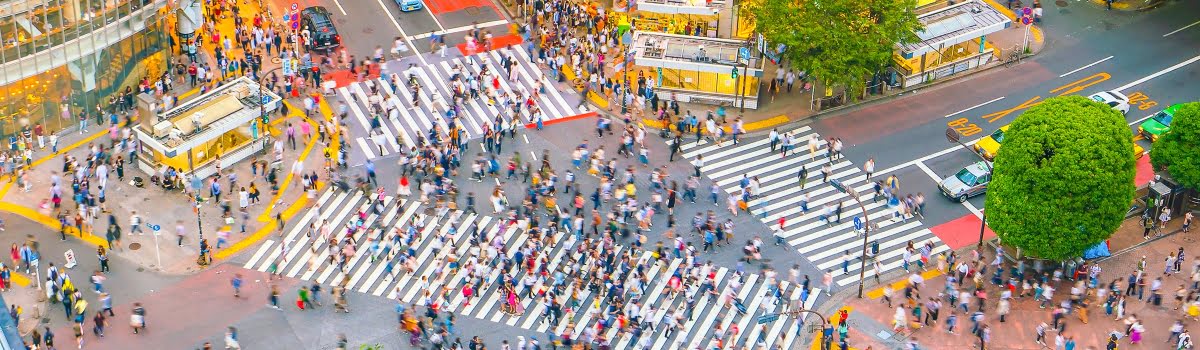
Imagine stepping into Central Tokyo, the vibrant heart of the nation, where the Imperial Palace stands as a serene testament to history amidst the dazzling neon glow of Ginza’s upscale boutiques and Marunouchi’s towering business district. Journey north to North Tokyo, a realm where tradition thrives in the atmospheric Yanaka district, offering glimpses of old-town charm and the artistic pulse of Ueno Park’s museums. To the east lies East Tokyo, a dynamic waterfront area where the futuristic architecture of Odaiba contrasts with the historical echoes of Asakusa’s ancient temples and bustling markets. Venture west to West Tokyo, a more suburban landscape that cradles the youthful energy of Shibuya’s iconic scramble crossing and the trendy boutiques of Harajuku, while also offering pockets of green tranquility. Finally, explore South Tokyo, a region that blends residential calm with notable attractions like the vibrant entertainment hub of Ebisu and the serene gardens of Setagaya. Each of these five faces of Tokyo offers a distinct lens through which to experience the captivating complexity of this extraordinary city.
Don’t worry, as we got you covered with our following guide to the five districts of Tokyo. You’ll find the best bits of each area that you should definitely put them on your map.

1. Central Tokyo
Central Tokyo is made up of the Chuo, Minato, Chiyoda, and Bunkyo wards. It is both the geographical and economic heart of the city, with Tokyo Station providing the main mode of access in and out. There are plenty of shopping, dining, and entertainment opportunities in Central Tokyo.
Central Tokyo map to attractions
Check In to HOTEL MUSSE GINZA MEITETSU, Step Out to Ginza


2. Northern Tokyo
Northern Tokyo is a collection of residential neighborhoods, historic sites, shrines, and street markets. It’s a great place to see how the locals really live and play. Northern Tokyo is also considered to be the gateway to Northern Japan. From Ueno Station, you can catch numerous trains heading out to Japan’s Tohoku Region.
Northern Tokyo map to attractions
- Ueno Park, one of the most popular parks in the city and a top place to watch the cherry blossoms bloom
- Tokyo Dome, a major entertainment venue and home of the Yomiuri Giants baseball team
- Tokyo National Museum, one of the world’s largest art museums
- National Science Museum, home to natural history and science exhibitions
- Rikugien Garden, one of Tokyo’s most beautiful landscaping gardens
Check In to Mitsui Garden Hotel Ueno, Step Out to Ueno Park


3. Southern Tokyo
Southern Tokyo is home to some of the most desirable districts in the city, including Shimbashi, Shinagawa, and Roppongi. High rise towers and beautiful streets lined with trees coexist in this hub of shopping, entertainment, and food. Here, you’ll find some of Tokyo’s most exclusive neighborhoods and best European-style outdoor cafes.
Southern Tokyo map to attractions
- Tokyo Tower, the second-largest structure in the country
- Tokyo Midtown, a collection of shops, restaurants, museums, and luxury hotels
- Miraikan, a national museum devoted to the emerging sciences and innovation
- Odaiba, a man-made island in Tokyo Bay
- National Art Center Tokyo, an art museum showing only temporary exhibits
Check In to The Prince Park Tower Tokyo Hotel, Step Out to Tokyo Tower


4. Eastern Tokyo
Eastern Tokyo is the city’s most traditional area. You’ll find signs of the historic Edo culture juxtaposed with the landmarks of modern Tokyo. It is also the site of Tokyo’s latest coffee boom, with some of the most popular coffee shops in the city. Kiyosumi Shirakawa Station is a great starting point for exploring Eastern Tokyo.
Eastern Tokyo map to attractions
- Tokyo Skytree, the world’s tallest stand-along communications tower
- Sensoji Temple, one of the most popular Buddhist temples in Tokyo
- Toyosu, a man-made island home to the world’s largest fish market
- Kiyosumi Shirakawa, a trendy Edo-period neighborhood
- Fukagawa, a Bayside district with ancient shrines and ocean views
Check In to Nine Hours Asakusa, Step Out to Sensoji Temple


5. Western Tokyo
Western Tokyo has a younger energy and consists of some of the city’s hippest districts, including Shibuya and Sinjuku. It is a highly populated and lively area where something interesting is always going on. Shinjuku Station, which handles over 2 million passengers each day, is one of the busiest train stations in the world.
Western Tokyo map to attractions
- Meiji Shrine, a popular shrine in the middle of a large forest
- Shinjuku Gyoen Park, three stunning landscape gardens located near Shinjuku Station
- Japanese Sword Museum, devoted to Japanese swords and metal work
- Nezu Museum, a collection of pre-modern art from Japan and East Asia
- Nakano Broadway, a popular shopping center for anime goods
Check In to Hotel Gracery Shinjuku, Step Out to Shinjuku Station